
When words aren’t enough youth find healing through art
Art therapy is reshaping mental health support
By LIAM CLARKE
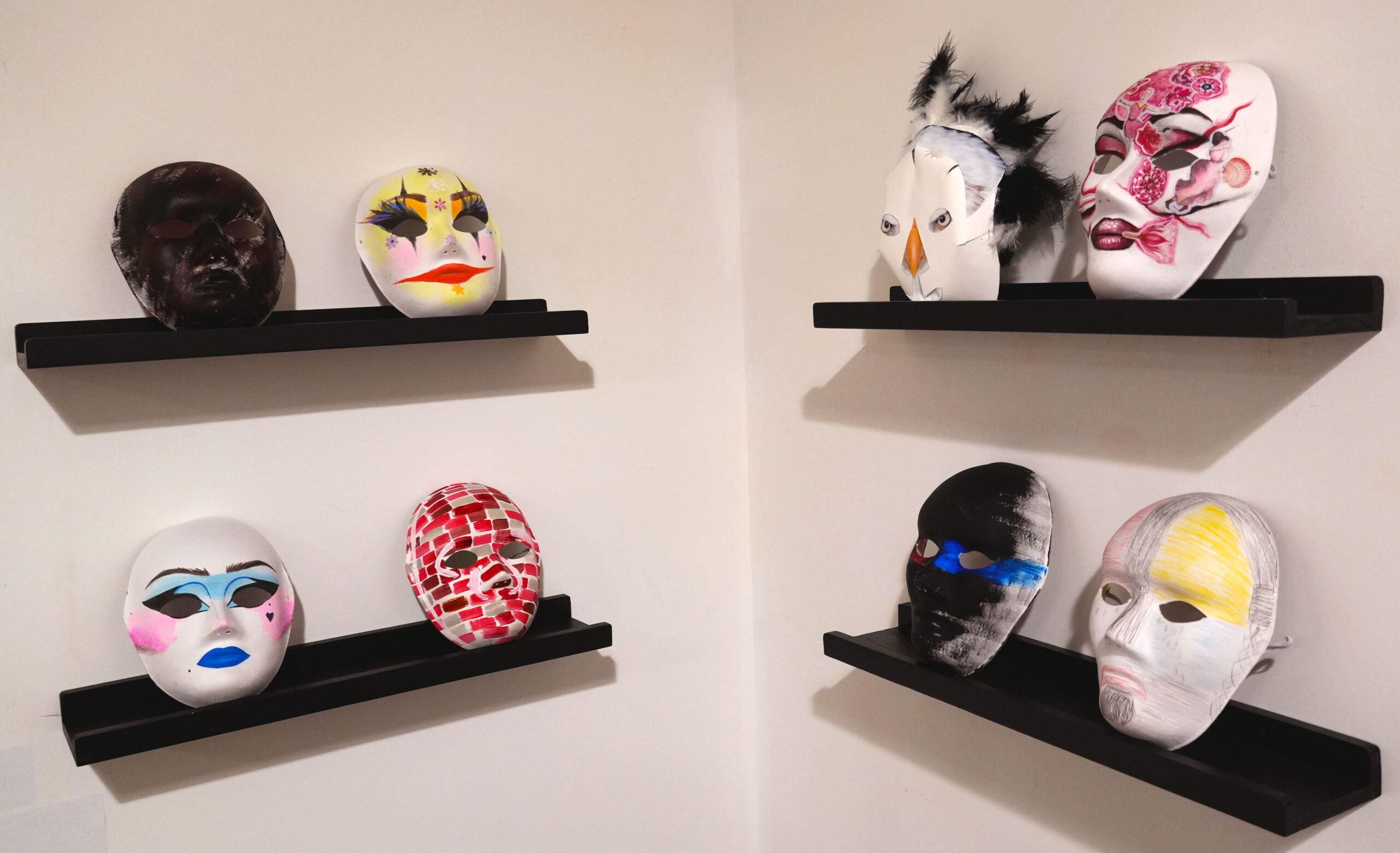
As mental health challenges increase among young Canadians, art therapy has become an alternative to traditional talk-based approaches.
Sheida Shamloo, an art therapist working in Montreal, said many of her clients are younger people who are “fed up with conventional talk therapy.”
Shamloo said words can sometimes fall short when describing emotions like sadness and depression.
Instead, she encourages clients to use art to explore their feelings and assists them in creating images about their lives and thoughts.
Creativity as an alternative to traditional therapy
Canadians aged 12 to 25 are experiencing higher rates of mental health challenges, according to the Public Health Agency of Canada. Art therapists say alternative approaches to therapy are becoming more relevant.
Art therapists are credentialed mental health professionals with training in both creative practice and psychotherapy. In Canada, they are credentialled through provincial regulatory colleges or professional associations that require a master’s degree in psychology or counselling.
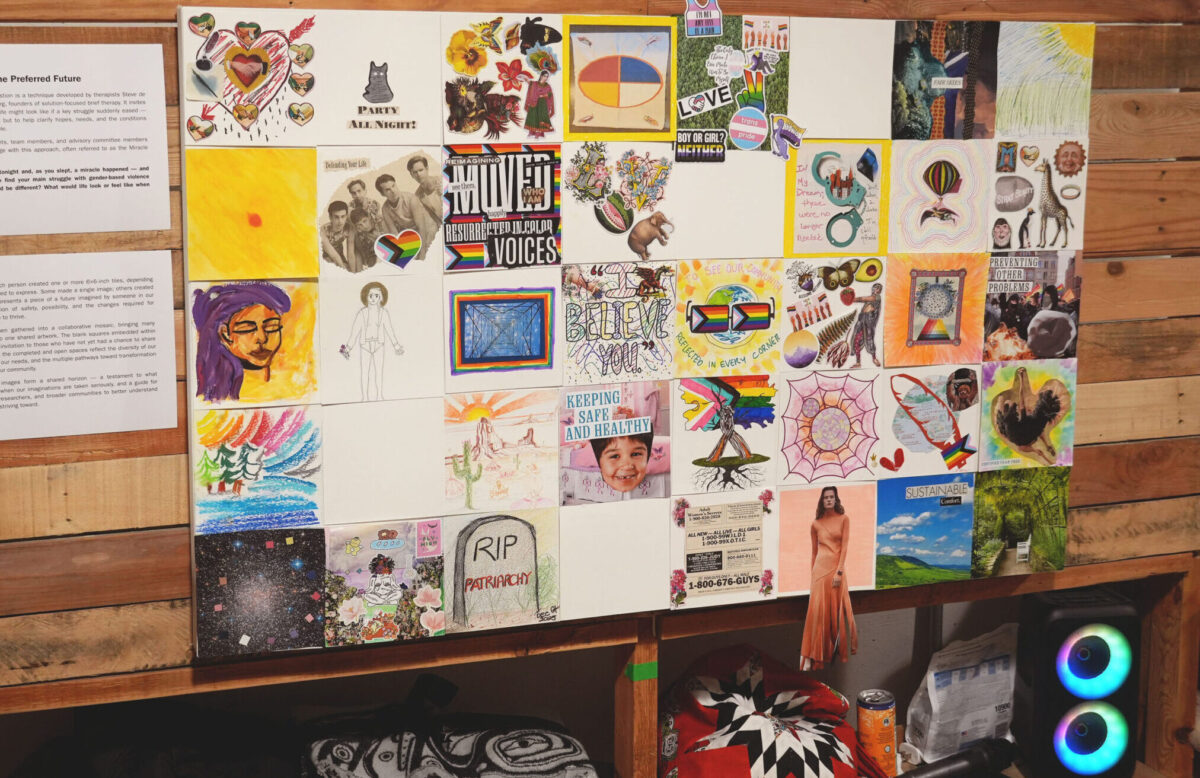
Jillian Bagan, a Vancouver-based art therapist who specializes in supporting LGBTQ+ individuals aged 10 to 30, says if someone wants to make a change in their life, “just making an image can start them off in the right direction.”
Bagan said the key difference between someone using art as therapy and art therapy is working with a trained therapist.
“Lots of people can access art as a form of their own therapy. As an art therapist, I use [art] as an entry point for a reflective discussion,” Bagan said. “It’s really helpful for those who have a difficult time putting things into words.”
Creative methods supported at Langara
At Langara College, counsellors are also incorporating art-based practices to support students.
Michael Cheng, assistant department chair and counsellor at Langara counselling services, said in an email to the Voice that staff use creative methods alongside a wide range of therapeutic techniques.
Cheng said that these approaches can include artistic journalling, illustrating emotional experiences and using diagrams or artistic symbolism to help students better understand anxiety, depression and stress.
“Many forms of therapy can work to support an individual,” Cheng said. “When a student feels supported, understood, and that they have been given tools to improve their situation, no matter what therapy is used, it can be effective.”
During his time at the department, Cheng said that he has seen an increase in students’ interest in getting support for mental health challenges.
When words are not enough, art becomes a language of healing
Langara previously offered an art therapy program, but it was discontinued in 2022.
Connie Chong, dean of continuing studies at Langara, said the decision to end the program was due to changing learner demand, industry needs and institutional priorities.
“The expressive art therapy program ran successfully for a number of years before being concluded. We’re proud of the role it played in supporting learners and the community,” Chong said.
Despite the end of the art therapy program, Langara fine-arts teacher Natalie Purschwitz is still encouraging students to use art to better understand themselves.
Purschwitz agrees that creating art on its own is not the same as art therapy but said it can still be a powerful tool for self-reflection.
“Students in our program are often using artwork as a way of searching for something that’s missing in their lives. And I think that it can really help students … find their way through difficult times,” said Purschwitz.
VIDEO: Jillian Bagan, a Vancouver-based art therapist who specializes in supporting LGBTQ+ individuals aged 10 to 30, talking of how art does not have to be perfect, it is more about of enjoying the process.
Comments are closed.