
Experts address common mental health struggles amongst students
Awareness and self-care can help students who face social-isolation in post-secondary
By RHEA SINGH
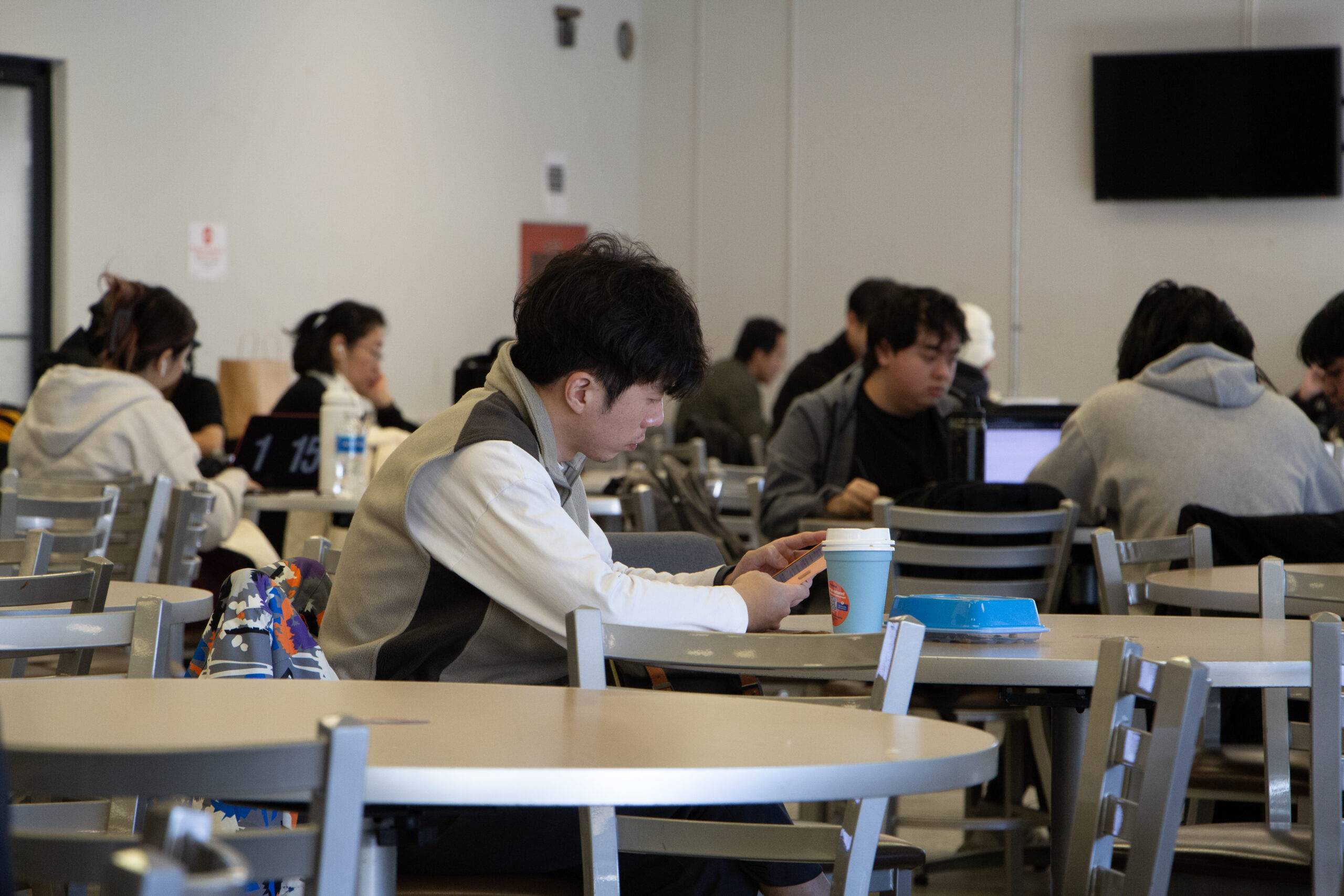
As post-secondary students navigate loneliness on campus, a counsellor says their perceptions of social situations can make it worse.
Clinical counsellor Muge Celik Orucu says loneliness among post-secondary students often has less to do with being alone and more to do with how they interpret the social situations around them.
“It’s just my mind machine that is causing me to feel this way. How am I perceiving it?” she said.
Many Canadians are aware they need counselling but do not seek it, according to a Statistics Canada report published Jan. 21. Thirty-eight per cent prefer to manage alone, while 33 per cent say help is simply not available.
Students should seek counselling
The experiences of loneliness young people have when attending post-secondary education set them up for their future, said Kiffer Card, an assistant professor in the faculty of health sciences at Simon Fraser University.
“We need safety, family, connection, identity and belonging. If we don’t find ways to get these when in college, we suffer loneliness, and we set ourselves up for a life course trajectory of unsatisfied social need,” Card said in an email to the Voice.
Without therapeutic sessions, recognizing negative cognition is difficult, Orucu said. She recommends low-cost counselling services, journaling apps and grounding techniques for students who need mental health resources.
“When you are grounded, you perceive things differently. So, [you] will have the courage to take action to engage with other people,” she said.
A college full of strangers
Edward Cai, a second-year Langara psychology club member, said that interpreting situations negatively leads students to continuously face loneliness long-term.
Some students tend to overthink about how others view themselves which leads them to retreating to their own spaces, he said.
This tendency to overthink “has a long-lasting impact on self-image and [the] ability to make connections,” Cai said.
For second-year health sciences student Maral Zade, Langara’s smaller campus makes the experience feel slightly less daunting.
She said that not knowing anyone at school can make her dread coming to campus, but it helps that Langara is a small school.
“I will say, luckily, this campus is smaller than other universities. So, you feel less…scared of going,” said Zade.
Not just a problem at Langara
Ana Huerta, a first-year psychology student at Simon Fraser University, said coming to post-secondary with friends from high school gave her an advantage, but also created its own barriers to making new ones.
“It was way easier to kind of stick with [high school friends],” she said.
Having that built-in group can make students less likely to seek out new connections, Huerta said. For those arriving alone, the feeling of being the only one without a ready-made circle can make the campus feel isolating.
VIDEO: Langara Students share their post-secondary experiences
Comments are closed.